It’s been a while since my last update. I could apologize — and I will — but in my defense, we’ve been extremely busy being distracted by the Galápagos.
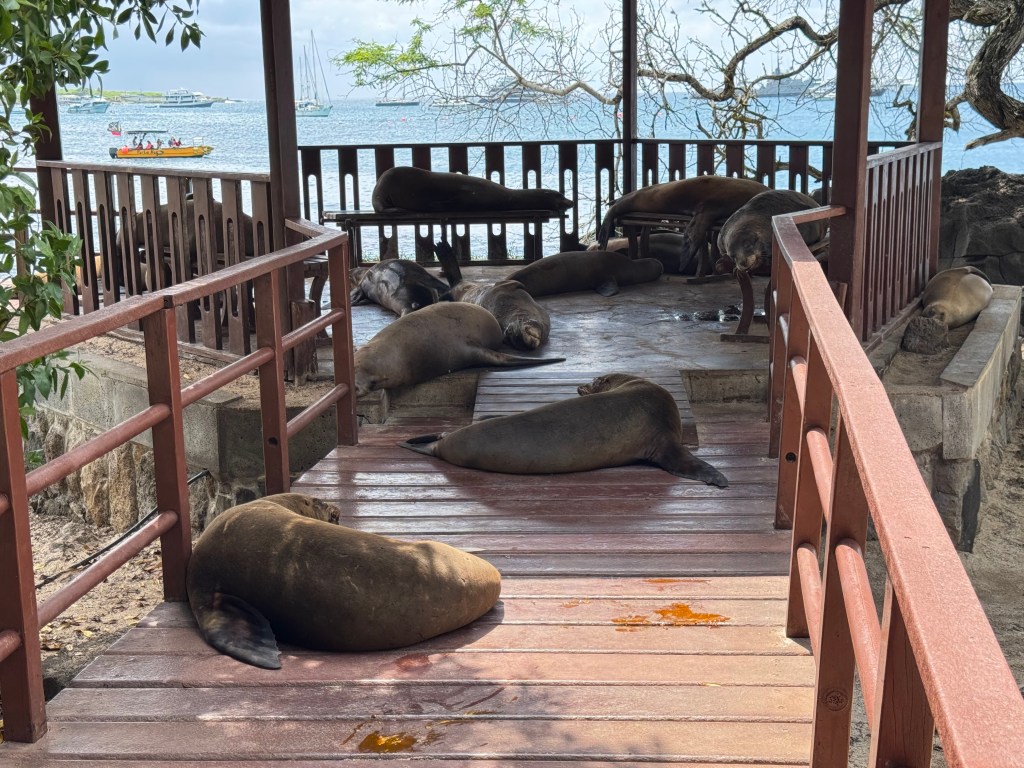
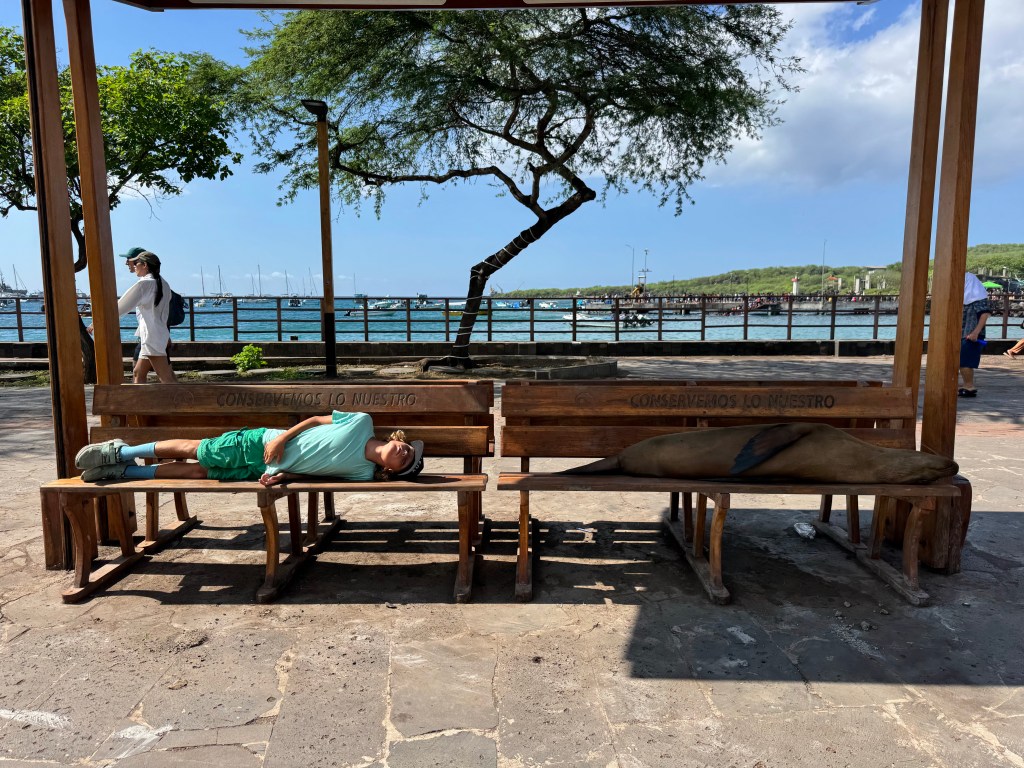
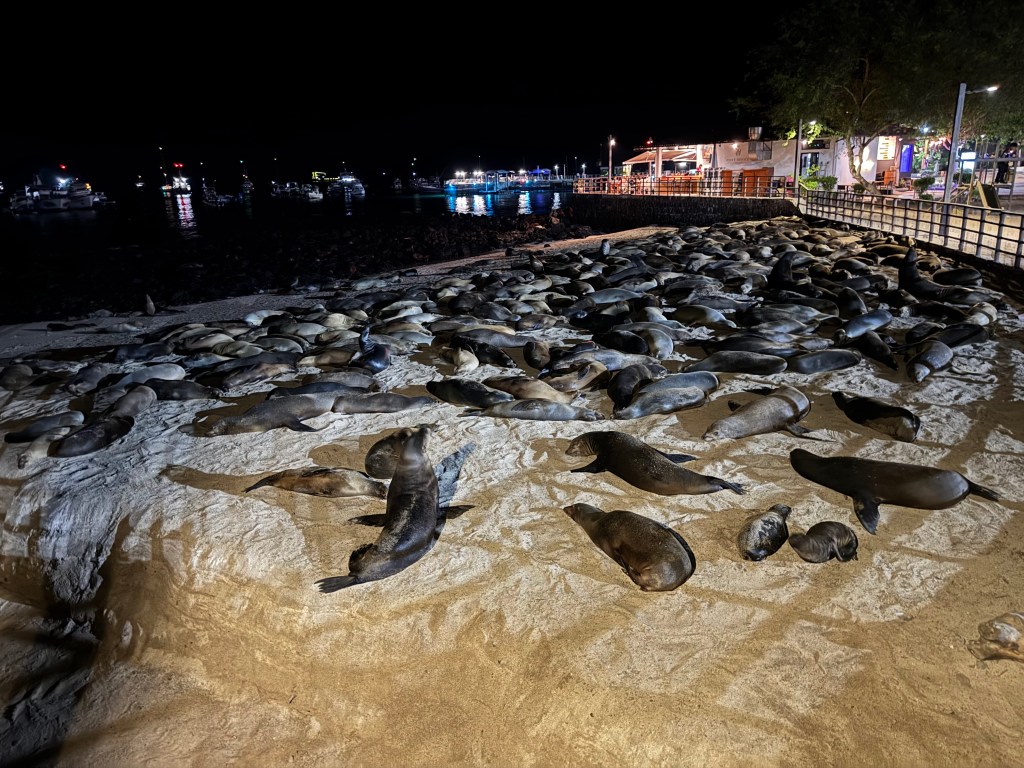
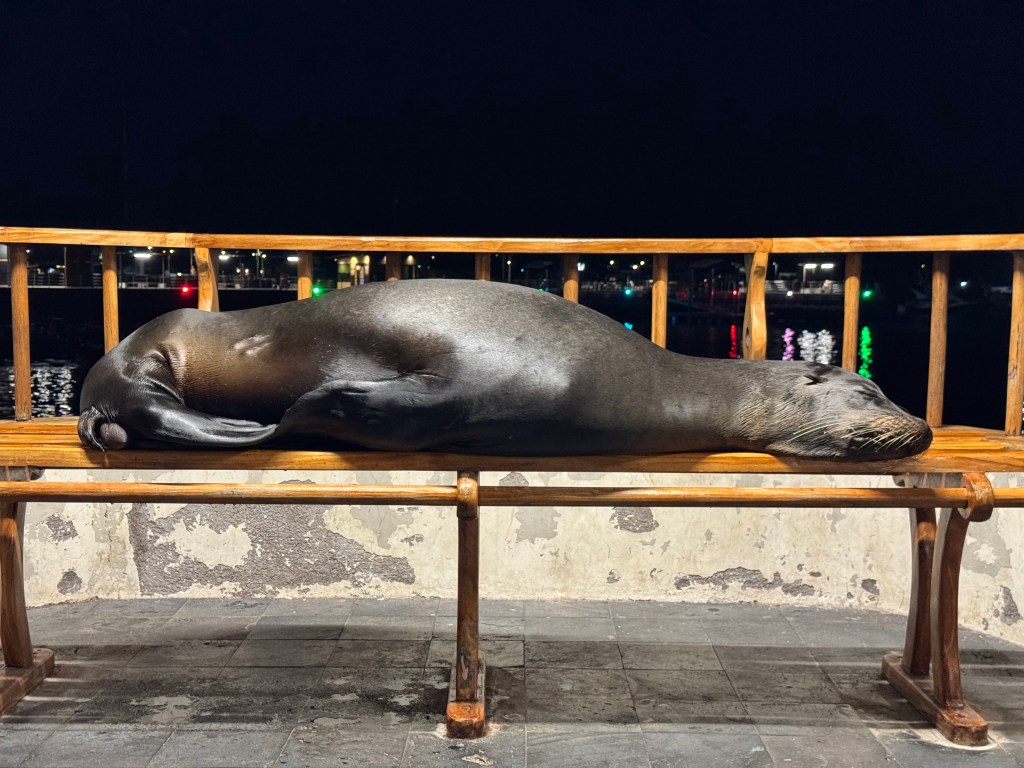
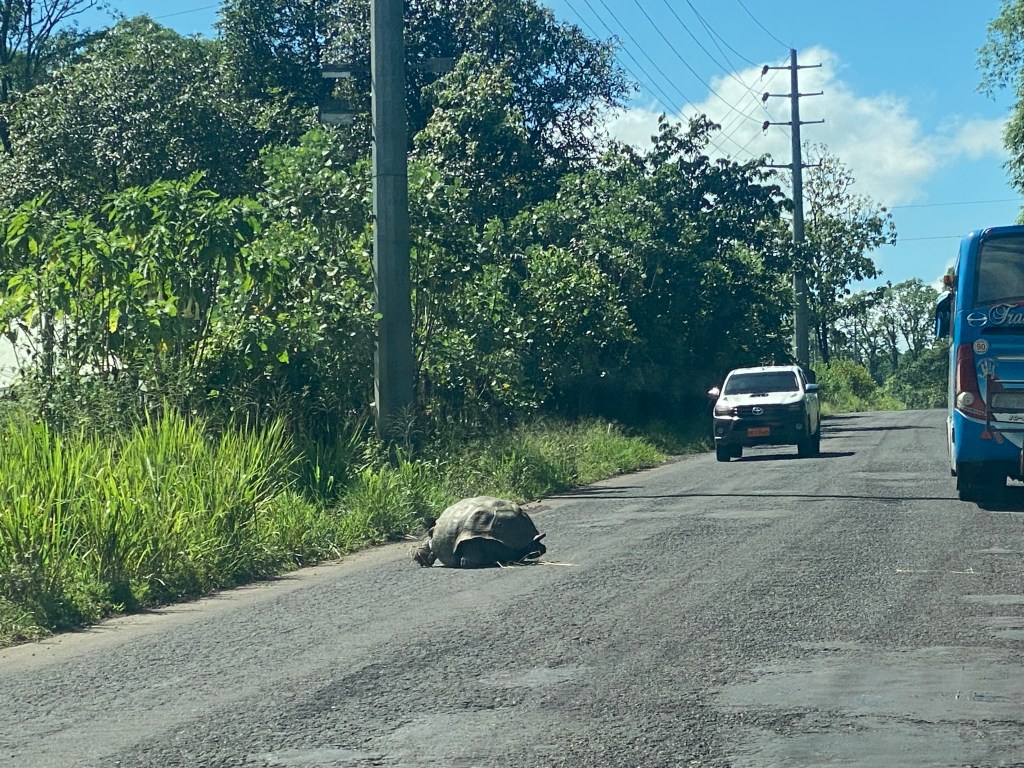
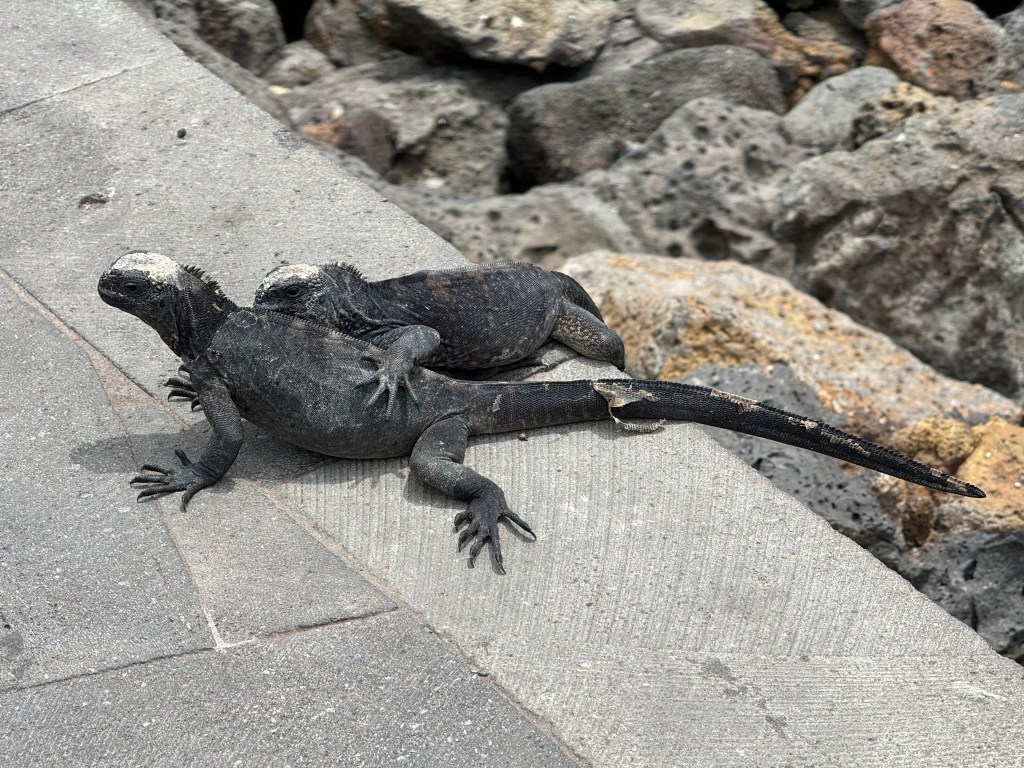
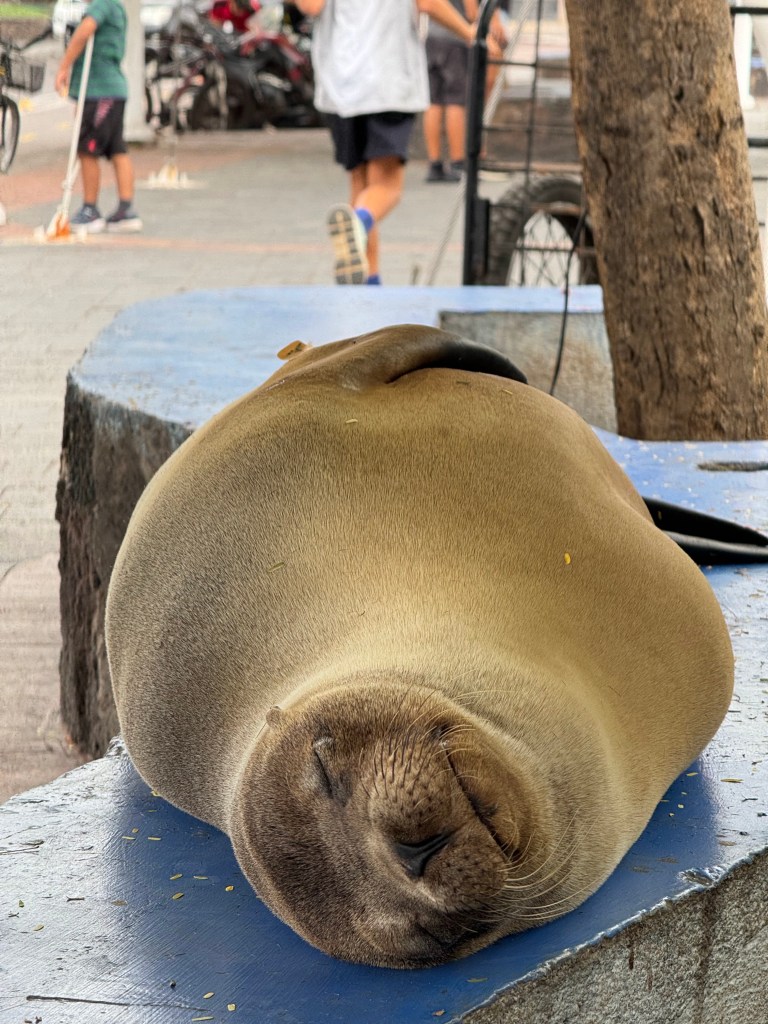
What a magical place this is. In Puerto Moreno on San Cristóbal, you have to watch every step to avoid face-planting over a sea lion or accidentally nudging a prehistoric-looking iguana. Over in Santa Cruz, traffic jams are caused not by commuters but by giant tortoises who cross the road at a pace best described as “whenever they feel like it.”
Whatever it took to get here — the planning, the organizing, the budget gymnastics — was worth every bit.
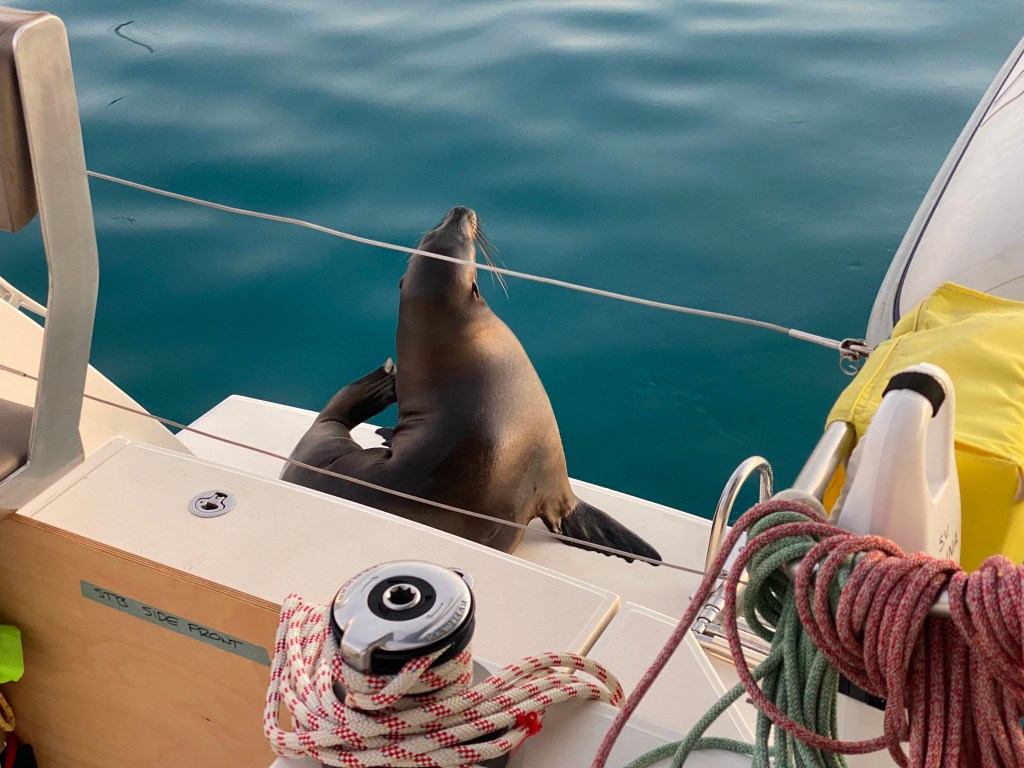
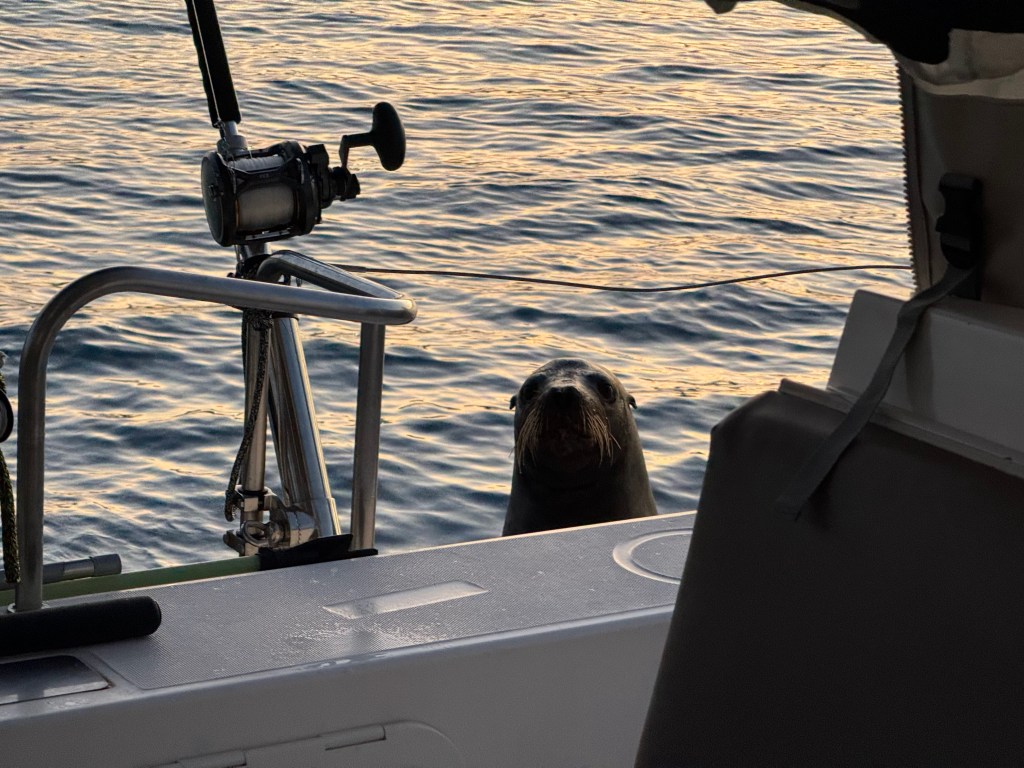
You’re not entirely free to roam wherever you please, on land or at sea, but strangely enough that’s part of the charm. The invisible fences keeping the steady stream of tourists in check mean the wildlife remains blissfully unbothered. So unbothered, in fact, that a pair of sea lions recently breached the formidable defenses at the back of our boat, made themselves comfortable in our cockpit, tested the cushions for suitability, and conducted what can only be described as a thorough deck inspection. Fortunately, they found our sudden appearance mildly inconvenient and vacated the premises with surprising efficiency.
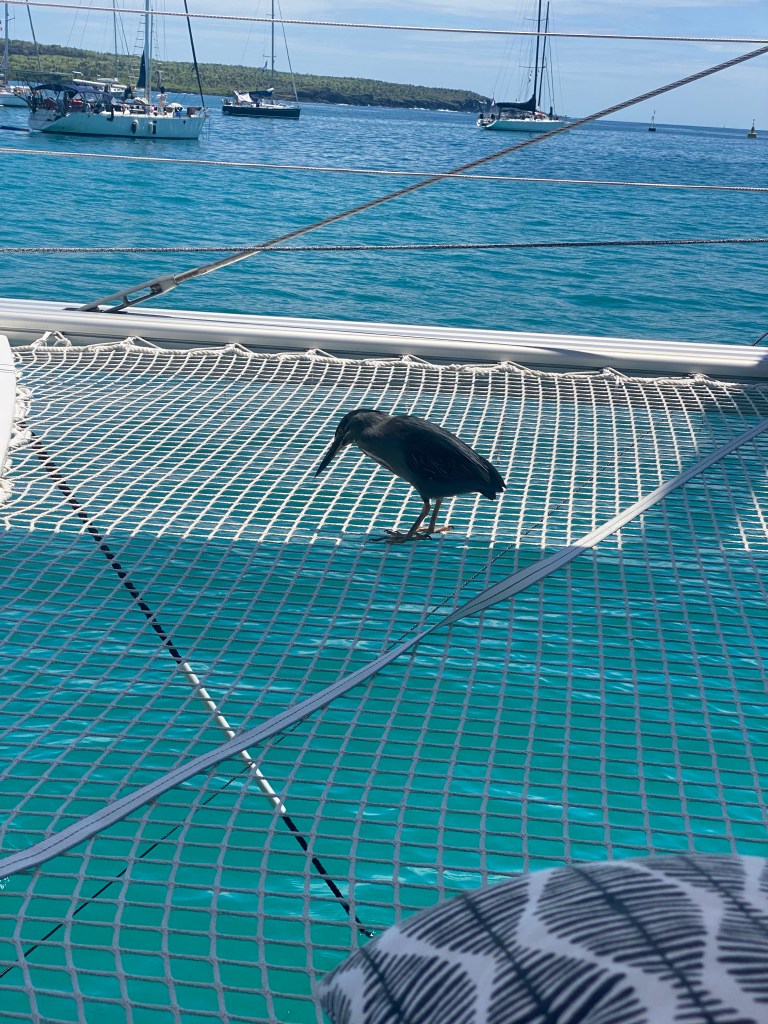
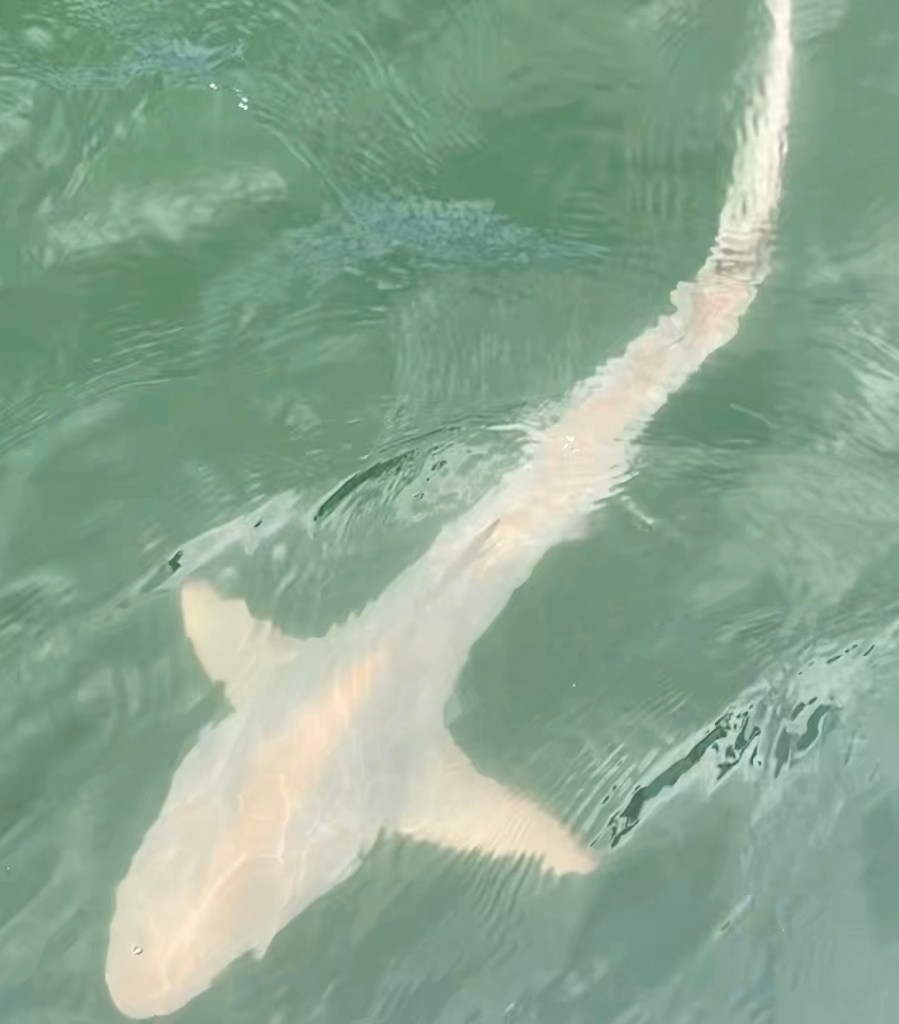
The past weeks have offered a beautiful rhythm of ease and wonder — enjoying the cool breeze at the bow (because standing in the sun feels like slow roasting…) bird watching, and casual swims with sharks and sea lions just off the stern.
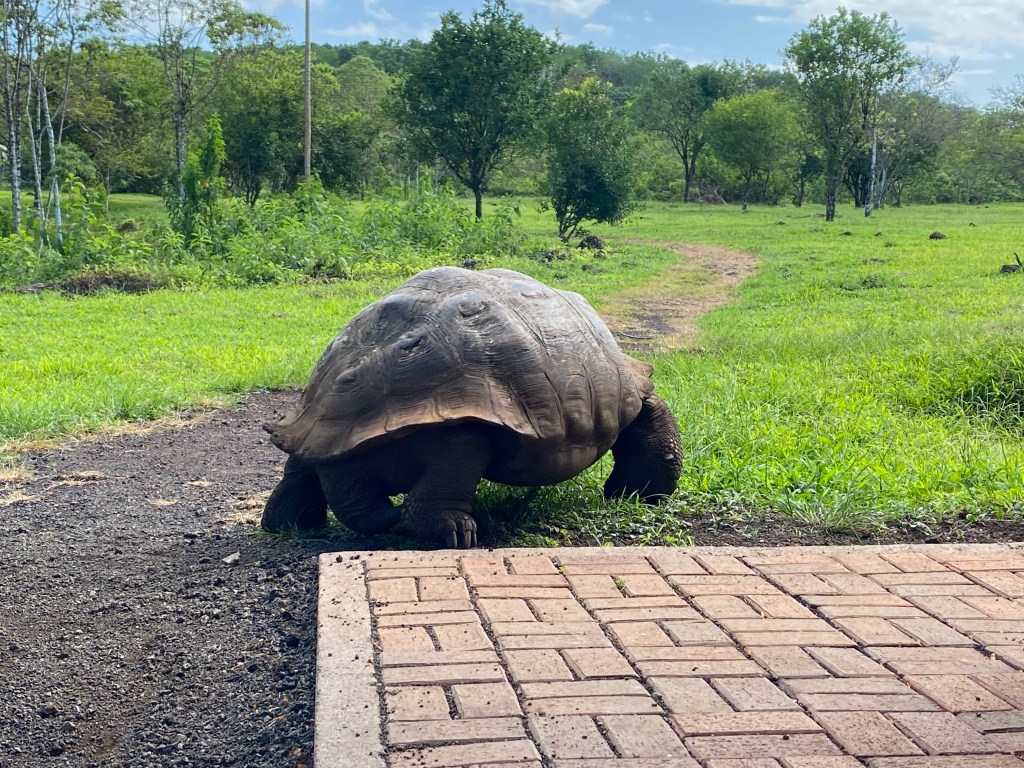
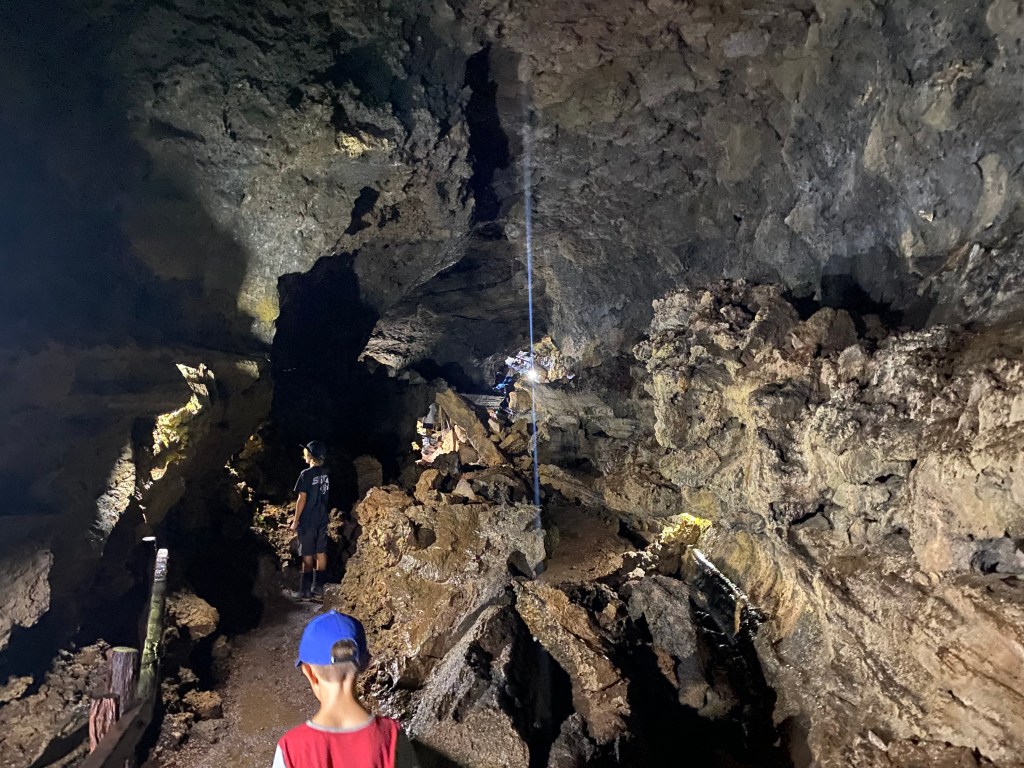
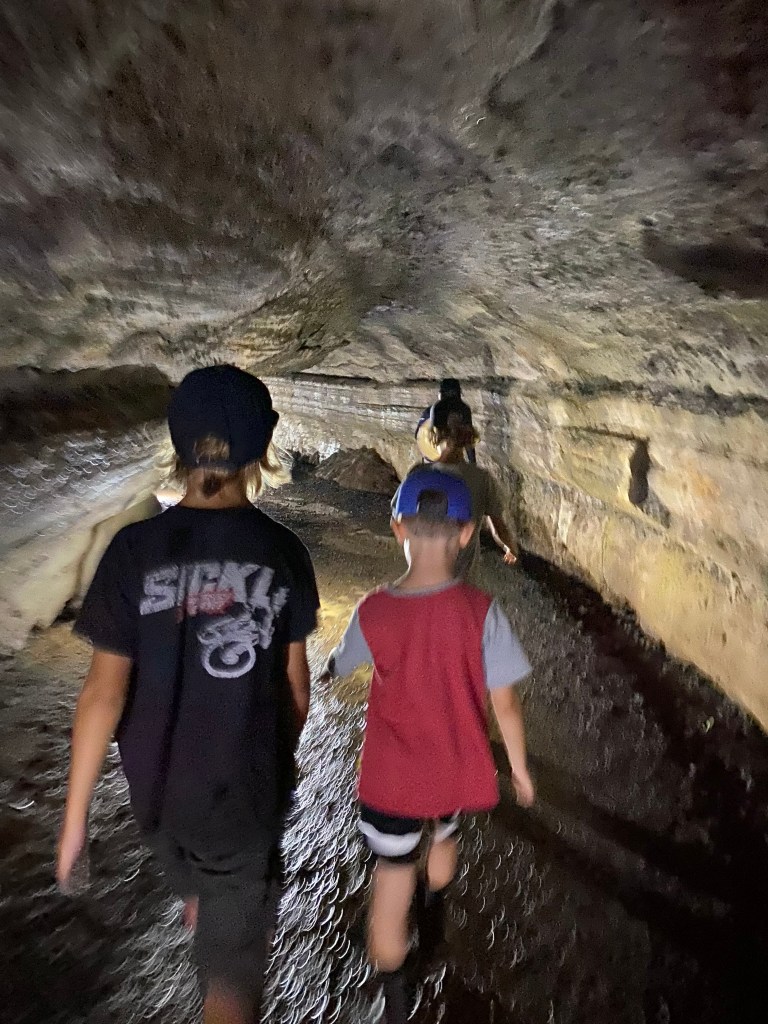
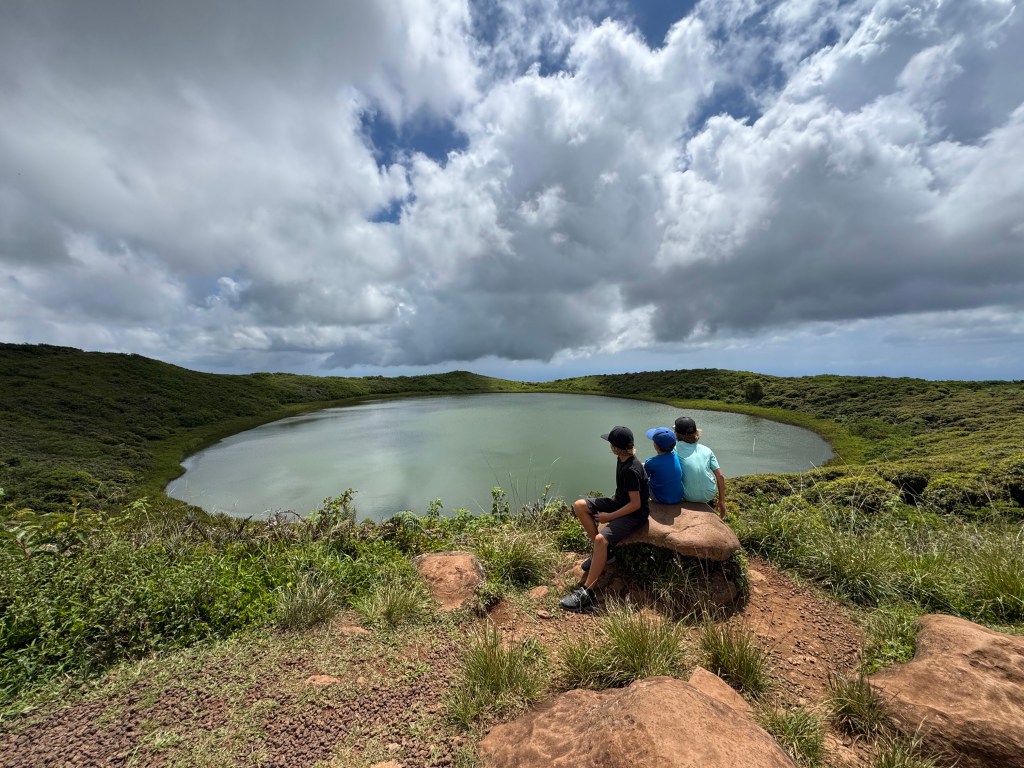
We swam through Las Grietas on Santa Cruz, explored the highlands of San Cristóbal, wandered through lava tunnels, and came so close to giant tortoises it took real restraint not to consider hitching a ride.
Jus yesterday morning, I went for my first jog in ages — through the national park to a deserted white beach scattered with enormous marine iguanas. It felt surreal. One of those moments that lingers long after it’s over.
Today we’re heading to our final Galápagos stop: Isabela. We plan to enjoy every last second before turning toward the big blue again.
The tentative departure date is March 6th — pending approval from the weather gods and Neptune, of course.
Nearly 3,000 nautical miles are waiting for us.
But they’ll have to be patient.
I have penguins to see first.
PS.: Perhaps I should explain what I mean when I say you are not allowed to move freely in the Galápagos.
There are four official ports of entry for yachts in the Galápagos: Puerto Baquerizo Moreno (San Cristóbal), Puerto Ayora (Santa Cruz), Puerto Villamil (Isabela), and Puerto Velasco Ibarra (Floreana). As a private yacht, you are only allowed to anchor in these designated port areas unless you have special authorization.
From there, you can normally go ashore by dinghy — although in reality, especially in San Cristóbal and Santa Cruz, that’s often more theoretical than practical. The sea lions have a remarkable talent for claiming dinghies within seconds. So most sailors use the local water taxis instead (currently about $1 per ride). You are not allowed to use your own dinghy outside the assigned port areas, and this is monitored.
On land, movement is also regulated. You can walk freely within town limits, but in most areas of the national park you must be accompanied by a registered guide. One of the few exceptions is the marked trail to Tortuga Bay on Santa Cruz — which is where I went for that magical jog.
If you have a licensed national park guide onboard your yacht (which is unfortunately expensive) or if you are officially part of a scientific project, you can apply for permission to visit additional sites and anchorages beyond the four main ports. Otherwise, your cruising area is strictly limited.
Are these rules about environmental protection? About economics? I would say both.
The regulations protect an incredibly fragile ecosystem — but they also shape the islands’ economy. Being part of Ecuador does not mean that any Ecuadorian citizen can simply move here. Entry fees apply to Ecuadorians as well (though reduced compared to foreign visitors), and permanent residency is tightly controlled.
In general, only those born in the Galápagos, descendants of residents, or people married to residents can settle permanently. Businesses are largely required to be locally owned, and work permits for outsiders are restricted. Long-term residence without permanent status is limited and regulated to prevent overpopulation.
The result is a relatively protected local economy. Much of the money spent by tourists stays on the islands — but at the same time, the Galápagos are highly dependent on tourism as their primary source of income.
Recently, there has been discussion and legal reform related to resource extraction in Ecuador more broadly, which has raised concerns about potential future impacts on protected areas. As a visitor, the idea of mining anywhere near this fragile ecosystem feels deeply unsettling. I can only hope that the global value of preserving this extraordinary place — and the tourism it sustains — will outweigh any short-term economic temptation.
And honestly: if paying higher fees helps keep diggers away from these islands, I am more than willing to contribute.


 sailing akuna
Leave a comment